Your Hummingbird Feeder Might Be Doing More Harm Than Good
Written by Zach Miller on June 18, 2025
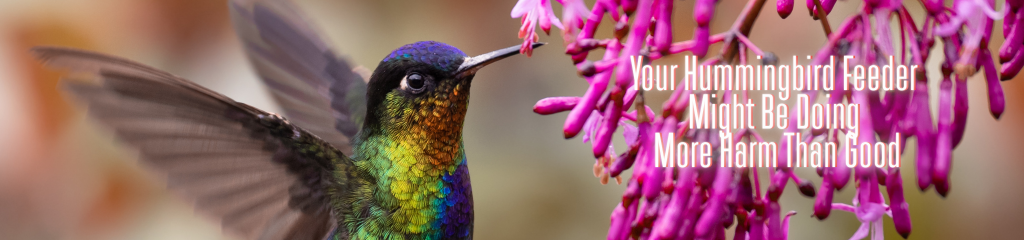
Picture this: You’re sipping your morning coffee, watching those tiny jeweled birds dart around your feeder, feeling pretty good about helping nature. But what if I told you that sweet gesture might actually be harming the very creatures you’re trying to help?
Before you panic and toss your feeder in the trash, hear me out – because with just a few simple tweaks, you can turn your backyard into a hummingbird haven that actually helps these amazing little birds thrive.
The Sweet Truth About Sugar Water Gone Wrong
Here’s the deal: hummingbirds are basically tiny sugar addicts (and honestly, can we relate?). These birds run on pure nectar, with wings that beat an incredible 80 to 90 times per second. In the wild, they get their fix from wildflowers, but climate change and habitat destruction have made it harder for them to find natural food sources.
That’s where feeders come in – they’re like a convenience store for hummingbirds during migration season. Research shows that feeders can increase local hummingbird populations and are especially important when fewer flowers are blooming.
But here’s the plot twist that’ll make you rethink everything: if your feeder is dirty, it could be harming or even killing the birds that visit it, turning what should be a lifeline into a deadly trap.
When Good Intentions Go Bad
The problem is surprisingly simple. When sugar water sits out too long, it spoils and grows harmful microbes, including candida – the same yeast that causes infections in humans.
For hummingbirds, this isn’t just uncomfortable – it’s potentially deadly. Infected birds develop swollen tongues that become difficult to retract, putting them at risk of starvation. Wildlife rehabber Melanie Furr from Wild Nest Bird Rehab in Georgia says it’s “fairly common” for birds to get sick from dirty feeders, with many needing rescue due to feeder-related infections.
Think about it this way: “If you wouldn’t leave your drink sitting out in the sun for three days and then drink it, don’t do it for hummingbirds. Why should a little, 3-gram hummingbird be expected to survive whatever germs are growing there?”
Ouch. When you put it like that…
The Fix Is Easier Than Your Morning Routine
The good news? The solution is incredibly straightforward with just two key components: the right recipe and regular cleaning.
The Perfect Recipe (No Pinterest Required)
Mix 1 part refined white sugar with 4 parts drinking water – think ¼ cup sugar with 1 cup water. Dissolve it over heat and let it cool.
Important mom notes:
- Skip the red food coloring (even store-bought colored nectar) and stick to plain white sugar only
- Use purified water when possible, but avoid distilled water since it lacks trace minerals birds need
- You can make extra and refrigerate it for up to two weeks
Cleaning Schedule That Actually Works
Here’s where it gets real for busy moms:
- Spring and fall: Clean every 2-3 days
- Summer/hot weather: Clean daily or every other day
If you’re staying on top of the schedule, hot water works fine for regular cleaning. But if it’s been a while or you see/smell mold, scrub with a vinegar-water mixture or hydrogen peroxide. Make sure it’s completely dry before refilling to prevent bacteria growth.
Level Up Your Hummingbird Game
Don’t want the cleaning commitment? Consider planting native hummingbird-friendly wildflowers instead. The National Audubon Society has a tool that tells you what to plant in your region to attract hummingbirds. It’s like creating a natural buffet that maintains itself!
The Bottom Line
As one expert put it: “Hummingbirds, like birds across every biome, are in decline. Habitat loss and lack of native plants present challenges to them. Having a clean feeder can provide an additional food resource that can be important.”
So if you’re going to do it, do it right. Your kids will love watching these tiny miracles up close, and you’ll actually be helping instead of accidentally harming these incredible creatures.
Found an injured hummingbird? Contact a local wildlife rehabber immediately. Every little life matters.
What’s your hummingbird story? Have you spotted any of these tiny visitors in your backyard this season? Share your photos and stories with us on the Froggy 102.7 Facebook page – we love seeing how our listeners connect with nature!
Sources:
- Jones, Benji. “You might accidentally be killing hummingbirds.” Vox, June 10, 2025. https://www.vox.com/down-to-earth/416127/hummingbird-biodiversity-fungal-infection-feeders
- National Audubon Society hummingbird plant database